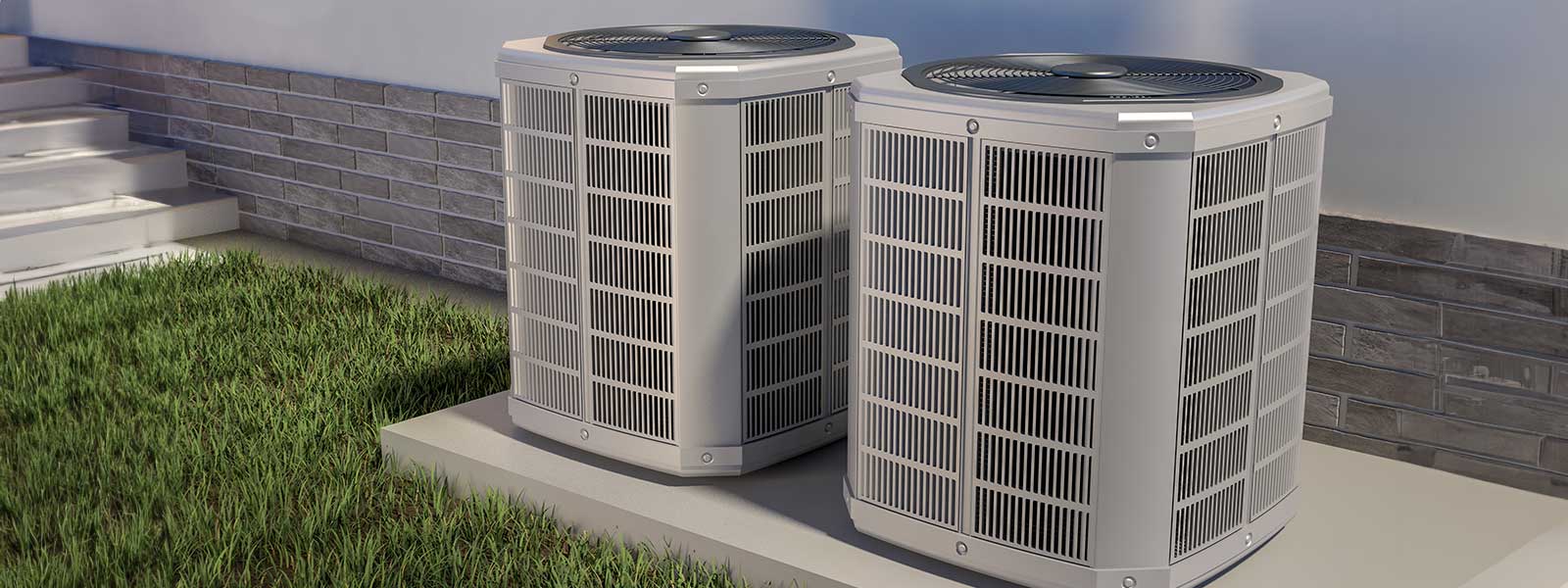
Ducted Systems
Ducted HVAC Systems
A ducted HVAC system, commonly known as a central heating and cooling system, is a network of ducts that distribute conditioned air throughout a building. It’s one of the most widespread methods for heating, ventilating, and air conditioning residential and commercial spaces. Here’s how it works and its key components:
Components of a Ducted System:
Air Handler or Furnace:
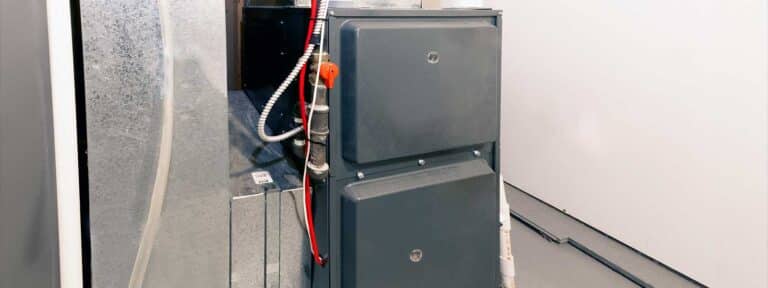
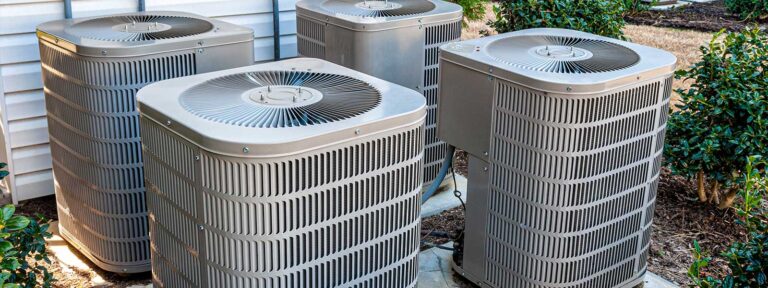
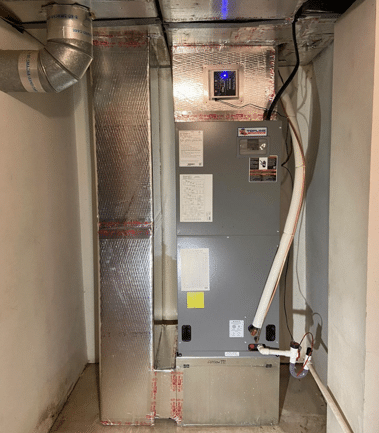
This is the central unit that produces the heated or cooled air. In heating systems, this could be a furnace that heats air by burning fuel (like natural gas or oil) or by electric heating elements. In cooling systems, this is often part of an air conditioner or a heat pump, which uses refrigerant to remove heat from the air.
Ductwork:
These are the pathways through which the heated or cooled air travels. Ducts are typically made of metal or flexible materials and are insulated to maintain air temperature as it moves through the system.
Vents or Registers:
These are the points where the conditioned air is delivered into the rooms. Vents for air intake are also part of the system, allowing air from the rooms to be cycled back to the air handler for reconditioning.
Thermostat:
This is the control system that allows users to set the desired temperature. The HVAC system operates based on the settings of the thermostat, automatically turning on and off to maintain the specified temperature.
Air Filter:
Located in the air handler or in the return air ducts, air filters trap dust, pollen, and other airborne particles, preventing them from circulating through the system and the living space.
Operations:
In a ducted HVAC system, the air handler or furnace heats or cools the air.
The blower fan then pushes this conditioned air into the ductwork.
The air travels through the ducts and is released into various rooms of the building through vents or registers.
Air from the rooms is drawn back into the HVAC system through return air ducts, filtered, and either heated or cooled again, depending on the thermostat settings.
Your home, your investment. ProQuote requires a $250 upfront deposit when you are ready to receive the quotes. We entirely allocated this to your project. It’s a forward-thinking approach that ensures both your time and money are well-respected.
Advantages
- Whole-house Comfort: A ducted system can heat or cool an entire building uniformly.
- Air Filtration: The inclusion of air filters helps improve indoor air quality by removing particles and allergens from the air.
- Zoning Capabilities: Some ducted systems can be zoned, allowing different areas of the building to be conditioned at different temperatures.
Considerations
- Installation: Ducted systems usually require significant space for ductwork, making them more suitable for installation during the construction of a building or during major renovations.
- Maintenance: Regular maintenance is necessary to ensure efficiency, such as cleaning or replacing air filters and ensuring that ducts are sealed and insulated properly to prevent energy loss.
855-880-1132
ProQuote
Home Improvements Simplified
One Visit = Multiple Quotes
Excellent
Based on 16 Reviews


Having worked with and known one of the owners for over 15 years, I have no doubt ProQuote’s operation is one of…

ProQuote – Thanks so much for coming out today to discuss my HVAC and window projects. It was refreshing to have someone

Very professional and helpful in making a decision that fit best into our budget.

Literally amazing. Convenient, well priced. Multiple quotes from multiple experienced contractors and planning

This business model is revolutionary and will change the game for contractors as well as consumers. I was pleased to