Ductless Mini-Split
Ductless Mini-Split HVAC System
Ductless mini-split systems are a type of HVAC system that provide heating and cooling without the need for extensive ductwork. They are becoming increasingly popular due to their efficiency, versatility, and relatively easy installation. Here’s an overview of ductless mini-split systems, how they work, and their key components:
Components of Ductless Mini-Split Systems:
Outdoor Unit:
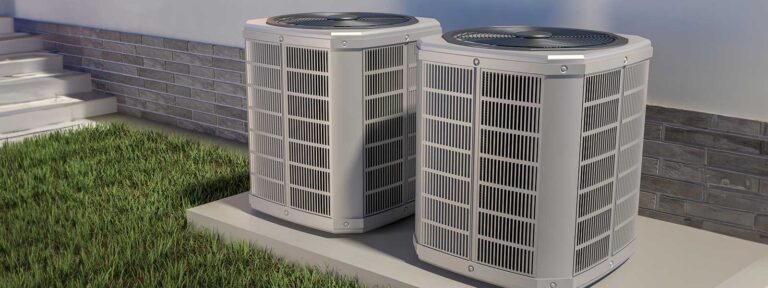
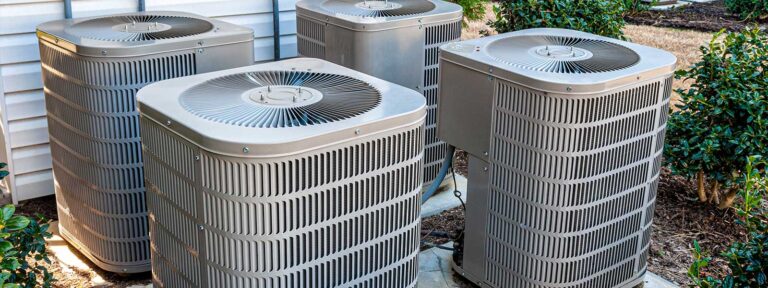
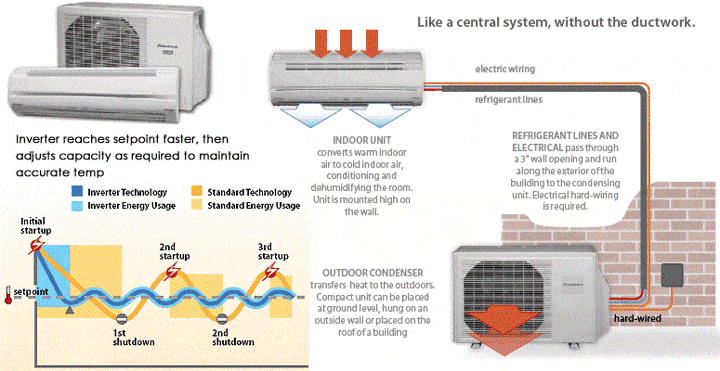
This contains the compressor, condenser coil, and expansion coil or capillary tubing. It’s the part of the system that pumps refrigerant to collect heat from indoors and expel it outside (in cooling mode) or to absorb heat from the outdoor air and release it indoors (in heating mode).
Indoor Unit(s):
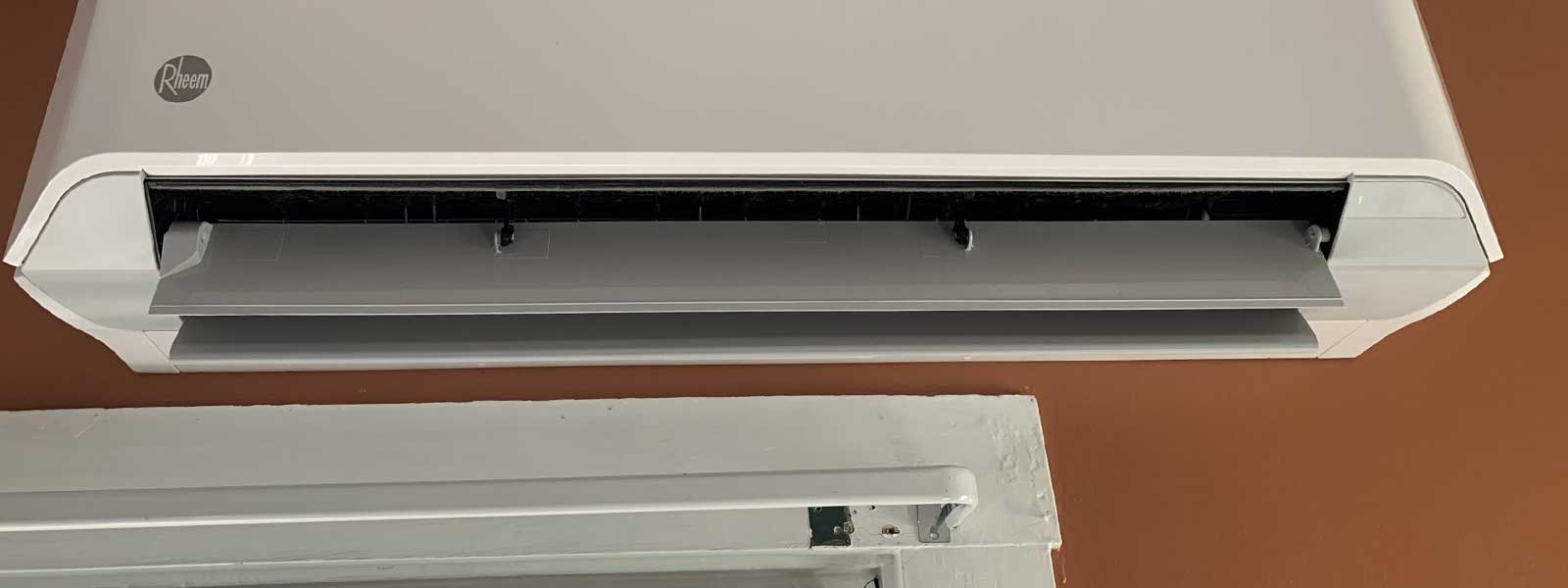
Also known as air handlers or evaporators or heads, these are installed inside the building. Each indoor unit is designed to cool or heat a specific “zone” or room. The indoor units are connected to the outdoor unit by small conduits that house the power cable, refrigerant tubing, and a condensate drain.
Remote Control or Wall Thermostat:
Allows users to adjust the temperature, fan speed, and other settings for each indoor unit.
Your home, your investment. ProQuote requires a $250 upfront deposit when you are ready to receive the quotes. We entirely allocated this to your project. It’s a forward-thinking approach that ensures both your time and money are well-respected.
Advantages
- No Need for Ducts: This makes installation easier and less invasive, particularly in buildings where installing ductwork is not feasible.
- Energy Efficiency: Mini-splits have no ducts, so they avoid the energy losses associated with the ductwork of central forced air systems. They often have high Seasonal Energy Efficiency Ratios (SEER) and Heating Seasonal Performance Factors (HSPF).
- Individual Zoning: Each indoor unit can be controlled independently, allowing for personalized temperature settings in different rooms or zones.
- Quiet Operation: Mini-splits are known for their quiet operation, making them suitable for bedrooms, offices, and other quiet spaces.
Considerations
- Aesthetics: Indoor units are visible within the living space, which may not suit all interior designs.
- Cost: While potentially more energy-efficient, the initial cost of mini-split systems can be higher than some other systems, especially if multiple indoor units are required.
- Maintenance: Each indoor unit has its own filter that needs to be cleaned regularly. Professional maintenance is also recommended to ensure the system operates efficiently and to prevent issues.
855-880-1132
ProQuote
Home Improvements Simplified
One Visit = Multiple Quotes
Excellent
Based on 16 Reviews


Having worked with and known one of the owners for over 15 years, I have no doubt ProQuote’s operation is one of…

ProQuote – Thanks so much for coming out today to discuss my HVAC and window projects. It was refreshing to have someone

Very professional and helpful in making a decision that fit best into our budget.

Literally amazing. Convenient, well priced. Multiple quotes from multiple experienced contractors and planning

This business model is revolutionary and will change the game for contractors as well as consumers. I was pleased to