Radiant Heat
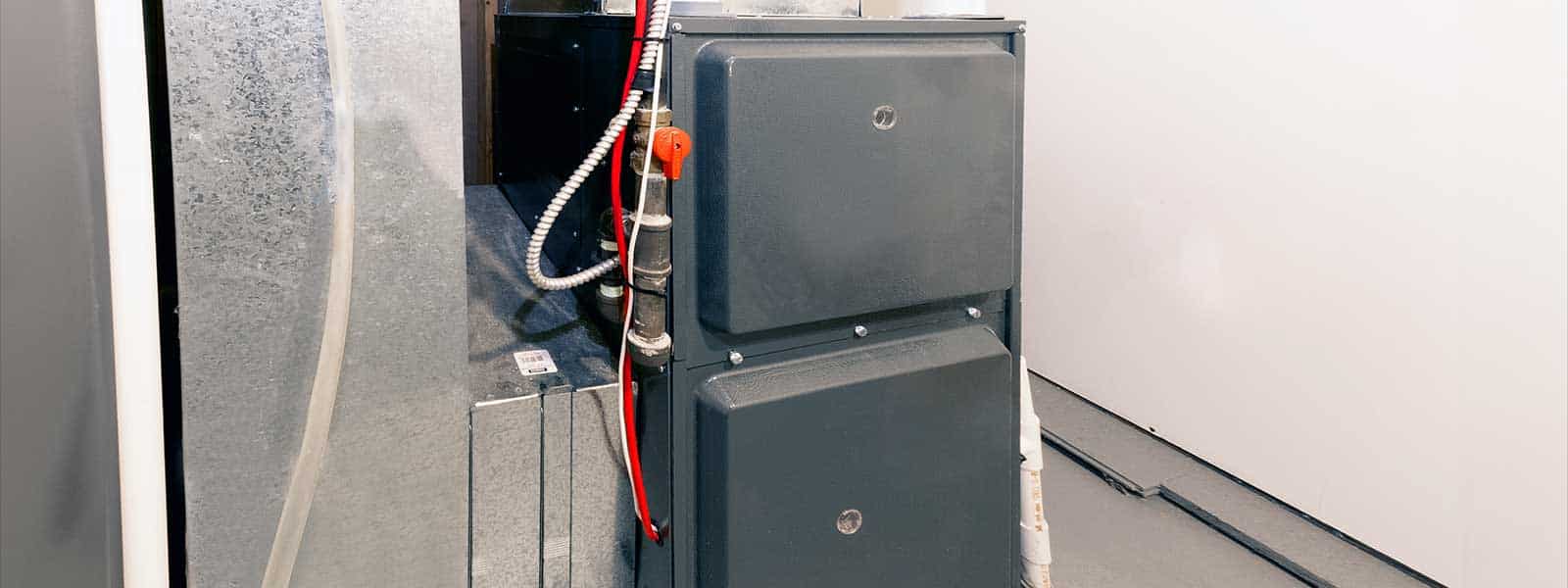
Boiler-based radiant heating systems utilize a central boiler to heat water, which is then circulated through a network of pipes to radiators, baseboard heaters, or underfloor heating systems. These systems provide heat by radiating warmth from heated surfaces to the surrounding environment. Here’s a detailed look at boiler-based radiant heating systems, their components, operation, and key considerations:
Components of Boiler-Based Radiant Heating Systems:
Boiler:
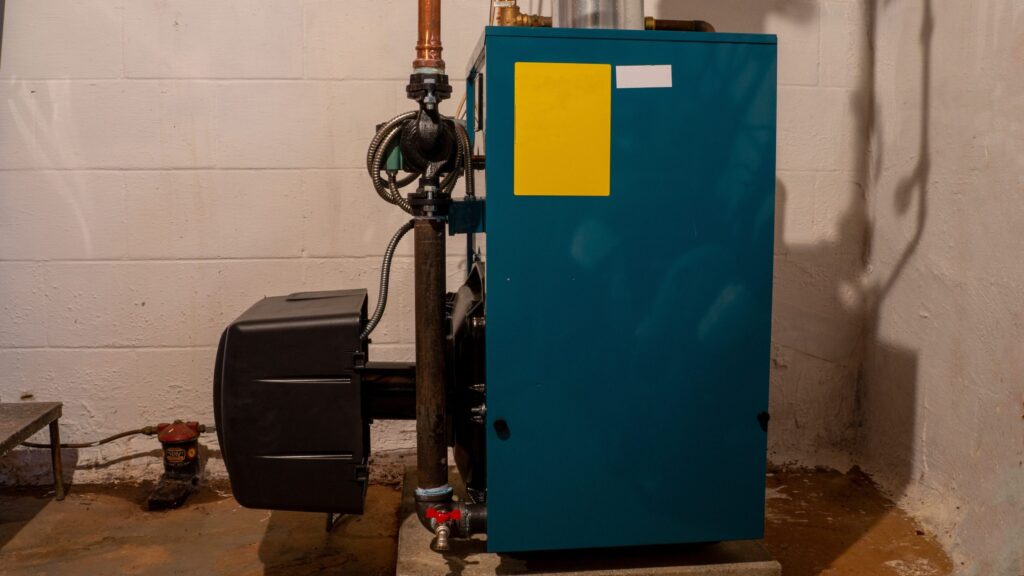
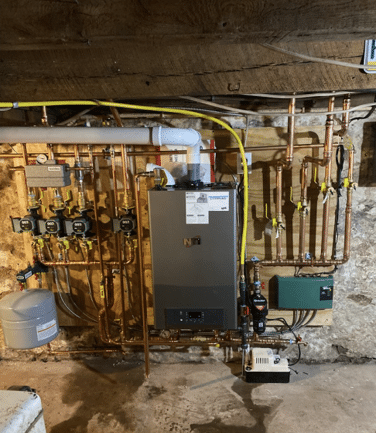
The central component that heats water or a water-antifreeze mix. It can be powered by natural gas, oil, propane, electricity, or even renewable resources like solar energy or wood. Some models will rest on the ground, and some are made more compact and more efficient that and mount on the wall.
Piping System:
A network of pipes circulates the heated water from the boiler to the radiators, baseboard heaters, or underfloor heating pipes and then back to the boiler for reheating.
Radiators or Baseboard Heaters:
Radiators are metal units that radiate heat into the room. Baseboard heaters are typically installed at the base of walls where they emit heat upwards and outwards into the room.
Thermostat:
Allows users to set and control the temperature of the heating system. Advanced systems may include zoning capabilities, allowing for different temperatures in different areas of the building.
Expansion Tank:
Absorbs the excess pressure due to the thermal expansion of the water as it heats up, ensuring the system operates safely.
Circulation Pumps:
Move the heated water through the pipes and back to the boiler.
OPERATION:
The boiler heats the water and sends it through the network of pipes to the radiators, baseboard heaters, or underfloor heating system.
Heat is radiated from these elements into the room, warming the space by convection and radiation.
As the water cools down, it returns to the boiler to be reheated and recirculated.
Your home, your investment. ProQuote requires a $250 upfront deposit when you are ready to receive the quotes. We entirely allocated this to your project. It’s a forward-thinking approach that ensures both your time and money are well-respected.
Advantages
- Comfort: The system provides even, gentle heat without the drafts or noise associated with forced-air systems.
- Energy Efficiency: Radiant heat is often more efficient than other heating methods, as it directly heats objects and people, and the boiler can be powered by various energy sources, including energy-efficient and eco-friendly options.
- Aesthetic Flexibility: Radiators and baseboard heaters come in various styles, and underfloor systems are completely hidden, offering greater interior design flexibility.
- Improved Air Quality: These systems do not circulate air, reducing the movement of dust and allergens.
Considerations
- Installation Cost: The initial installation can be costly, especially if retrofitting in an existing building. However, the efficiency and comfort can make up for the cost in the long run.
- Maintenance: Regular maintenance is required to ensure the system operates efficiently and to prevent issues like leaks or blockages in the pipes.
- Response Time: Radiant systems can have a slower response time compared to forced-air systems, meaning it can take longer to heat up or cool down a space after adjusting the thermostat.
855-880-1132
ProQuote
Home Improvements Simplified
One Visit = Multiple Quotes
Excellent
Based on 16 Reviews


Having worked with and known one of the owners for over 15 years, I have no doubt ProQuote’s operation is one of…

ProQuote – Thanks so much for coming out today to discuss my HVAC and window projects. It was refreshing to have someone

Very professional and helpful in making a decision that fit best into our budget.

Literally amazing. Convenient, well priced. Multiple quotes from multiple experienced contractors and planning

This business model is revolutionary and will change the game for contractors as well as consumers. I was pleased to